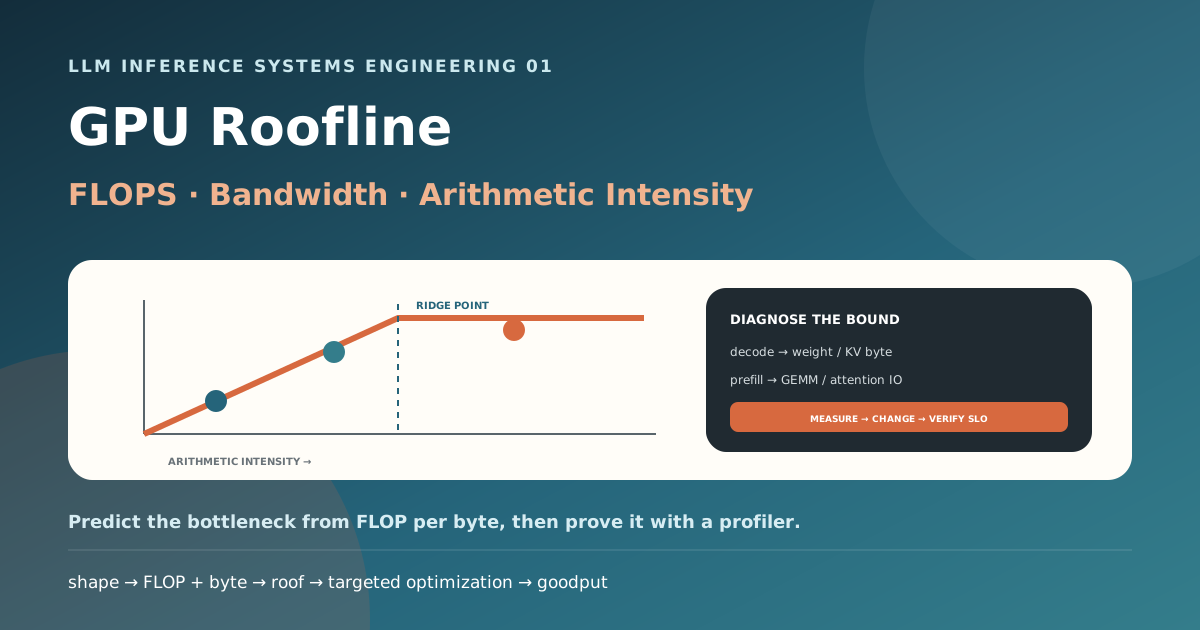
LLM Serving 벤치마킹과 Capacity Planning: Trace·Goodput·비용 (10/10)
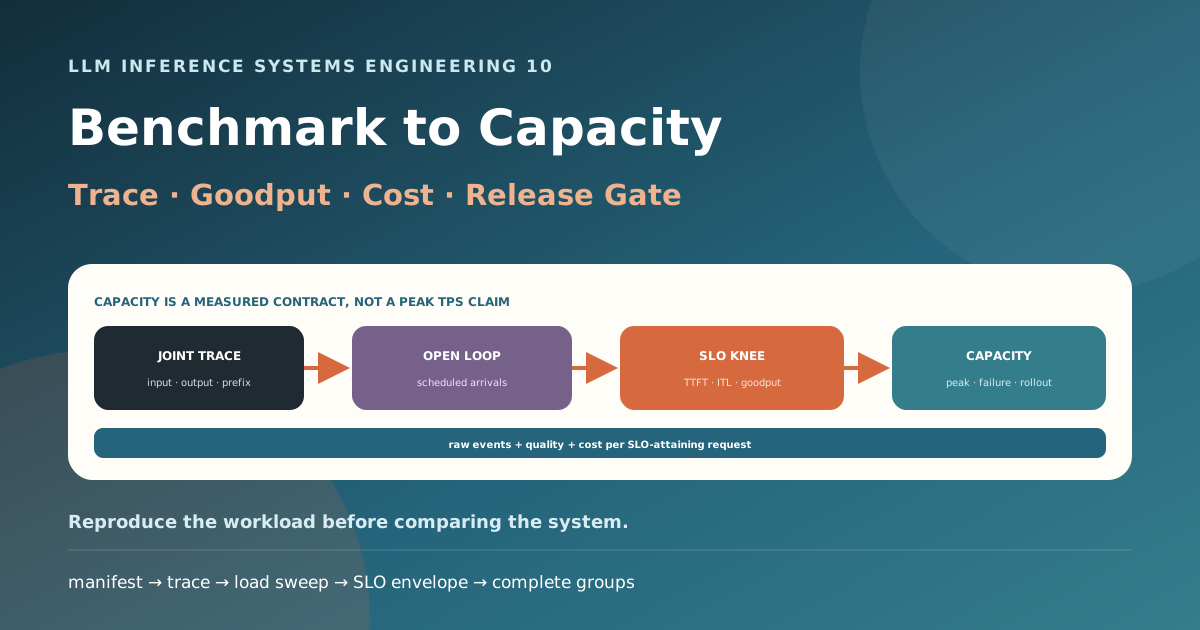
LLM serving을 open-loop trace로 재현해 TTFT·ITL·goodput·비용을 측정합니다. Input/output 결합 분포와 cache를 보존해 SLO knee를 찾고 peak·failure·rollout headroom으로 GPU capacity를 계산합니다.
Tag index
LLM serving을 open-loop trace로 재현해 TTFT·ITL·goodput·비용을 측정합니다. Input/output 결합 분포와 cache를 보존해 SLO knee를 찾고 peak·failure·rollout headroom으로 GPU capacity를 계산합니다.
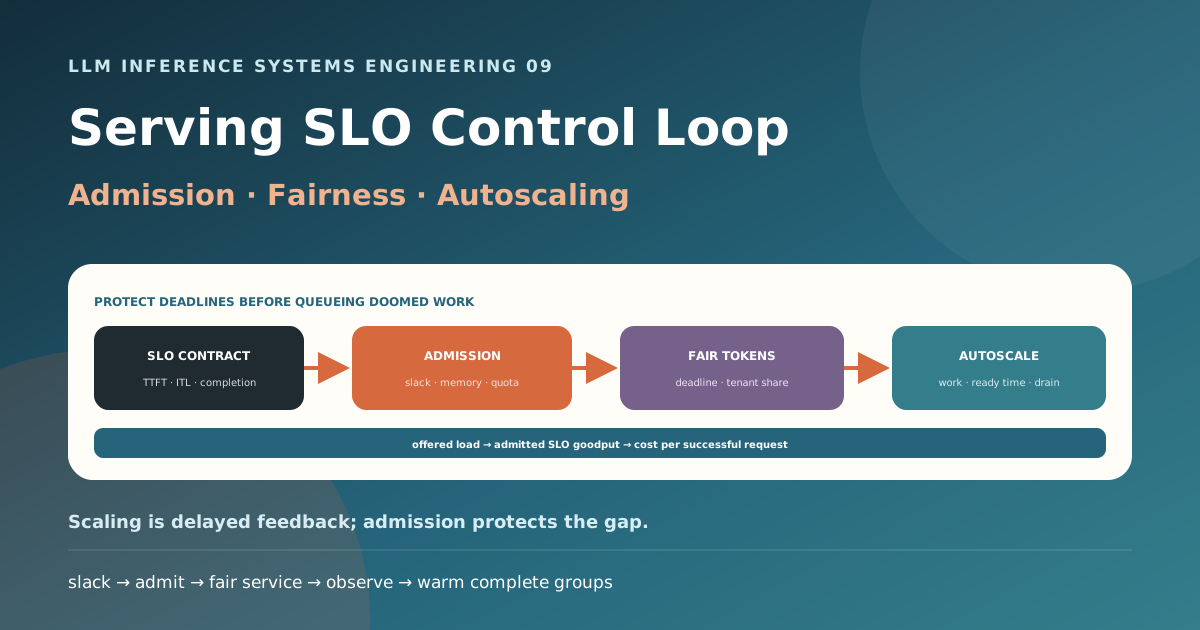
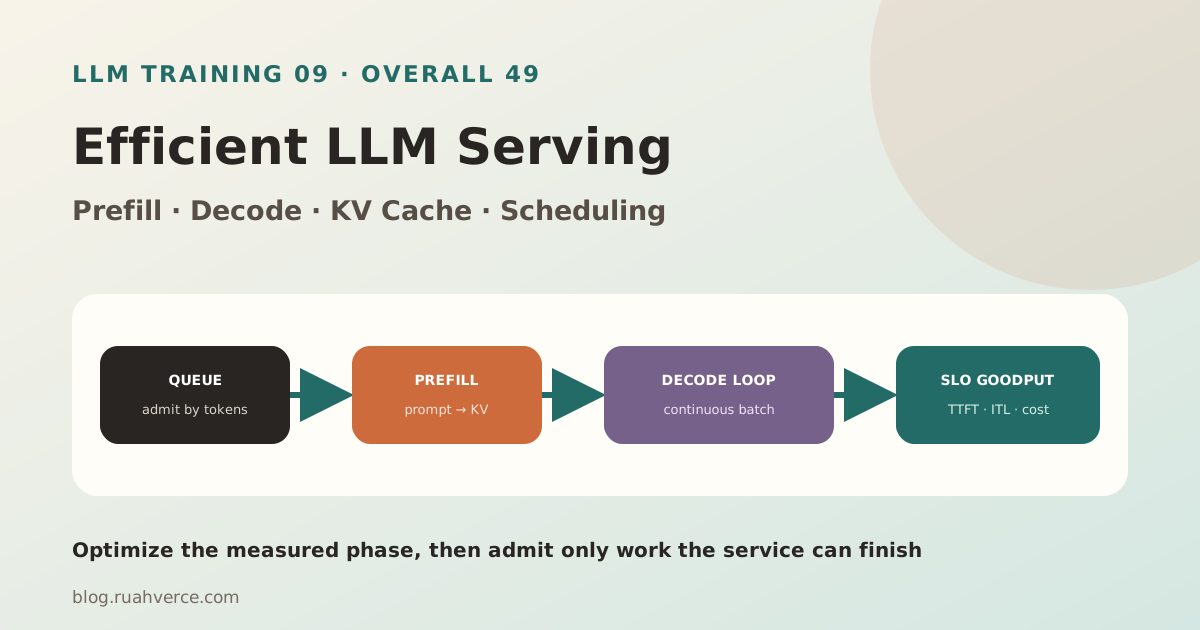
LLM serving의 TTFT·ITL SLO를 goodput으로 정의하고 admission, token fairness와 overload를 설계합니다. Queue work·KV·cold-start를 반영해 replica와 prefill/decode pool을 autoscale합니다.
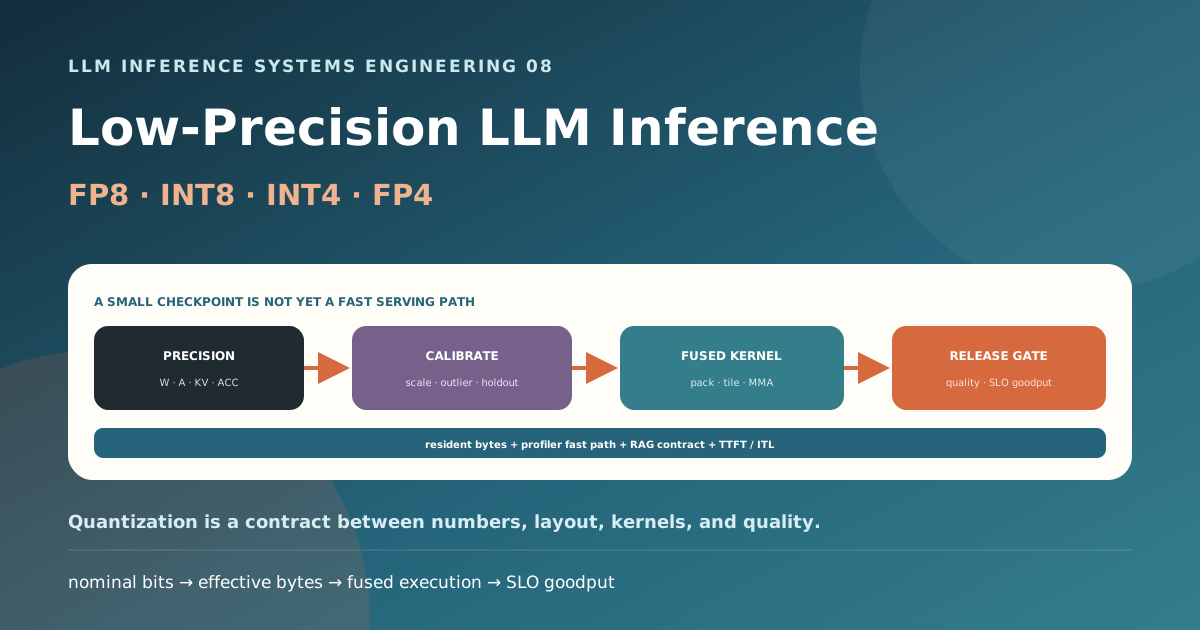
LLM 추론의 FP8·INT8·INT4·FP4 표현, scale 단위, calibration과 outlier 처리를 비교합니다. Weight·activation·KV를 줄인 뒤 fused kernel, 실제 byte, 정확도와 SLO goodput으로 빠른 경로를 검증합니다.
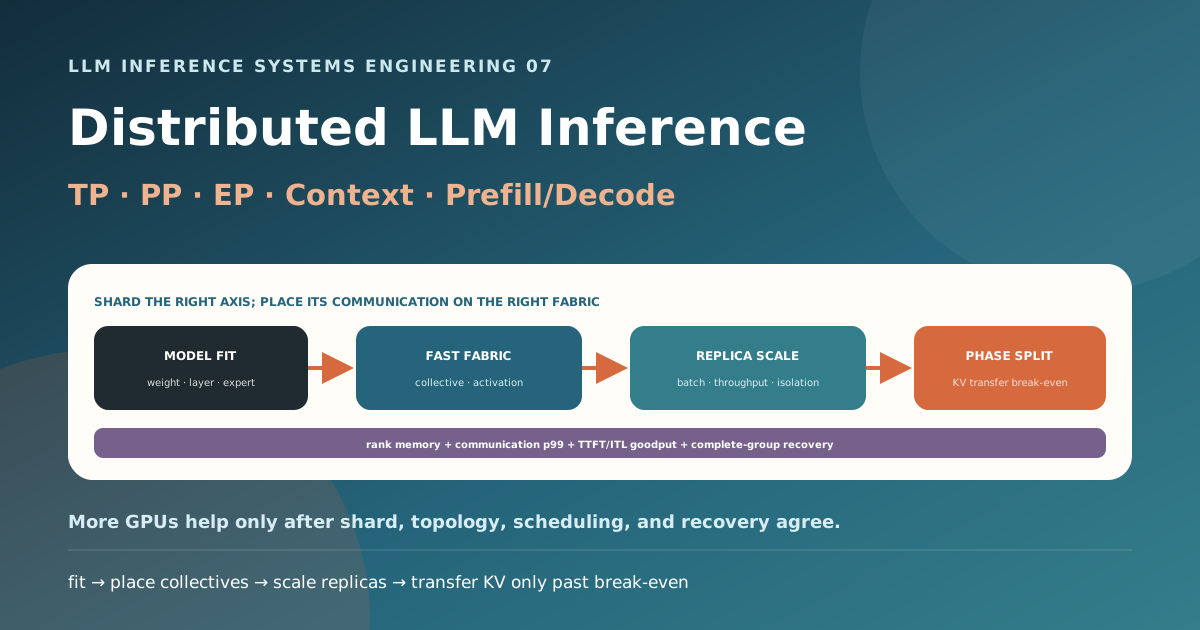
분산 LLM 추론의 replica, tensor·pipeline·expert·context parallel과 prefill/decode 분리를 비교합니다. Weight·KV·activation·collective와 topology를 계산해 SLO goodput에 맞는 배치를 설계합니다.
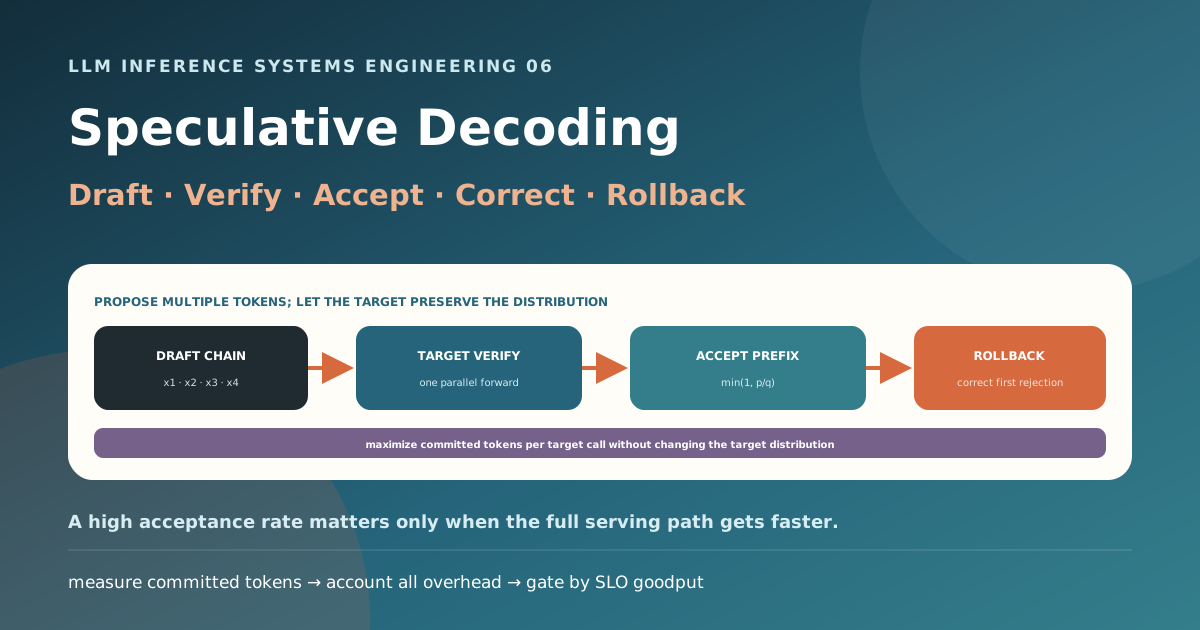
Speculative decoding의 draft·target verification과 acceptance/rejection 식을 설명합니다. Draft 길이, tree 후보, KV rollback, scheduler와 품질 검증을 연결해 decode 지연을 줄이는 조건을 찾습니다.
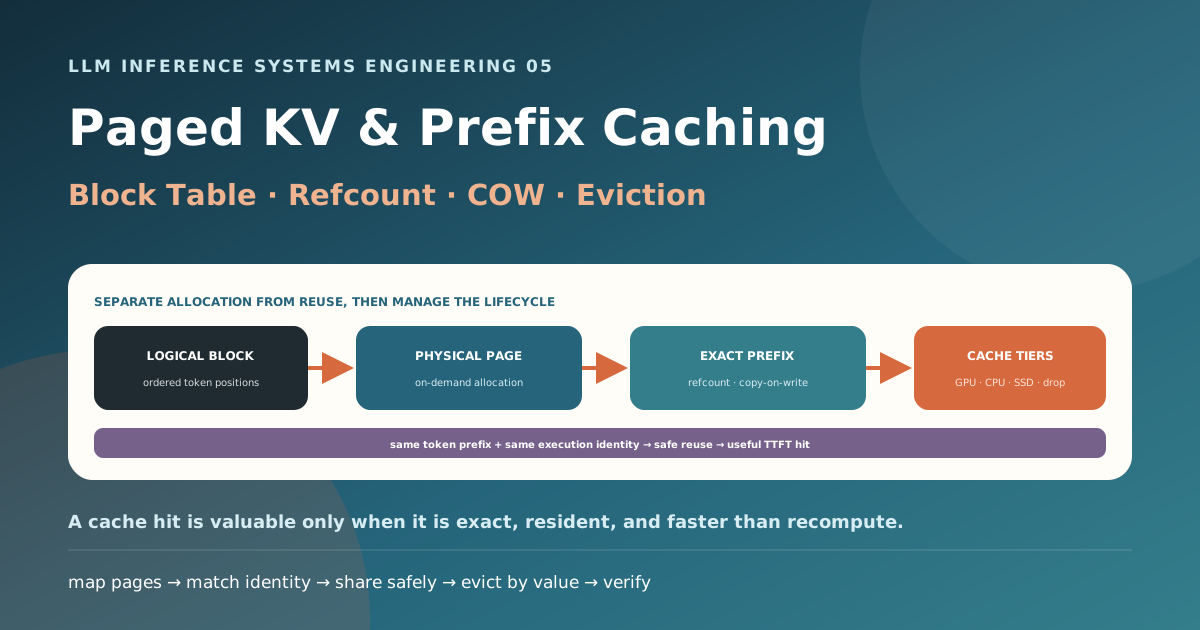
KV cache를 logical block과 physical page로 나눠 할당합니다. Prefix identity, copy-on-write, refcount, eviction, offload를 연결해 RAG Agent의 cache hit와 tenant 격리를 설계합니다.
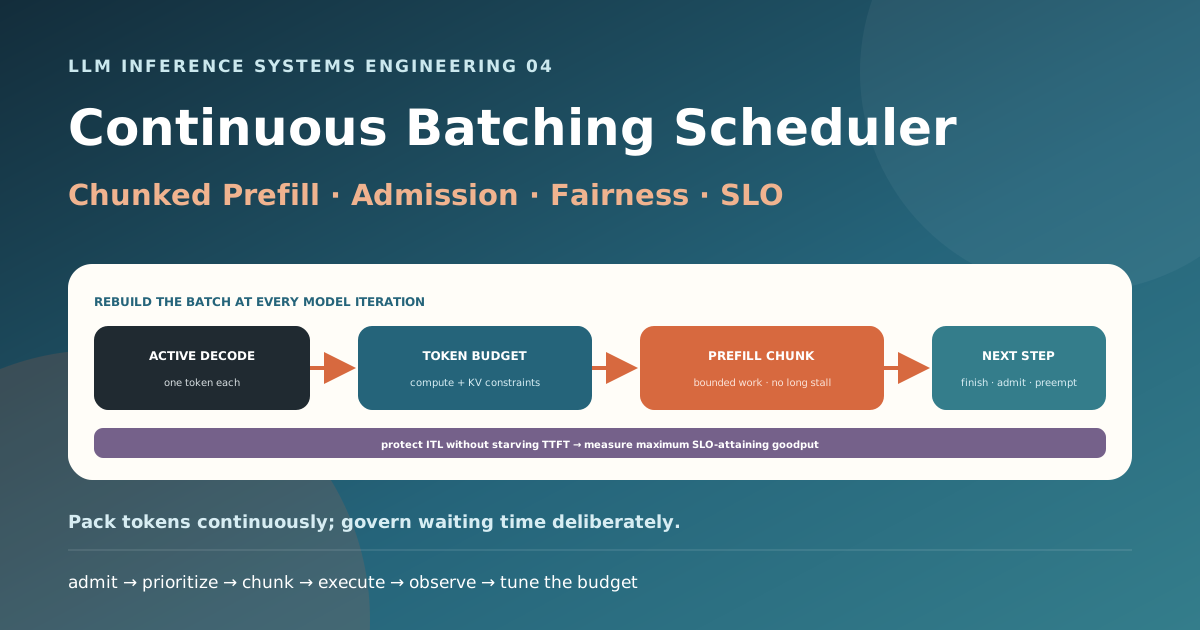
Scheduler가 iteration마다 decode와 prefill token을 묶는 원리를 설명합니다. Chunked prefill, admission, preemption, fairness를 TTFT·ITL budget과 연결해 continuous batching을 설계합니다.
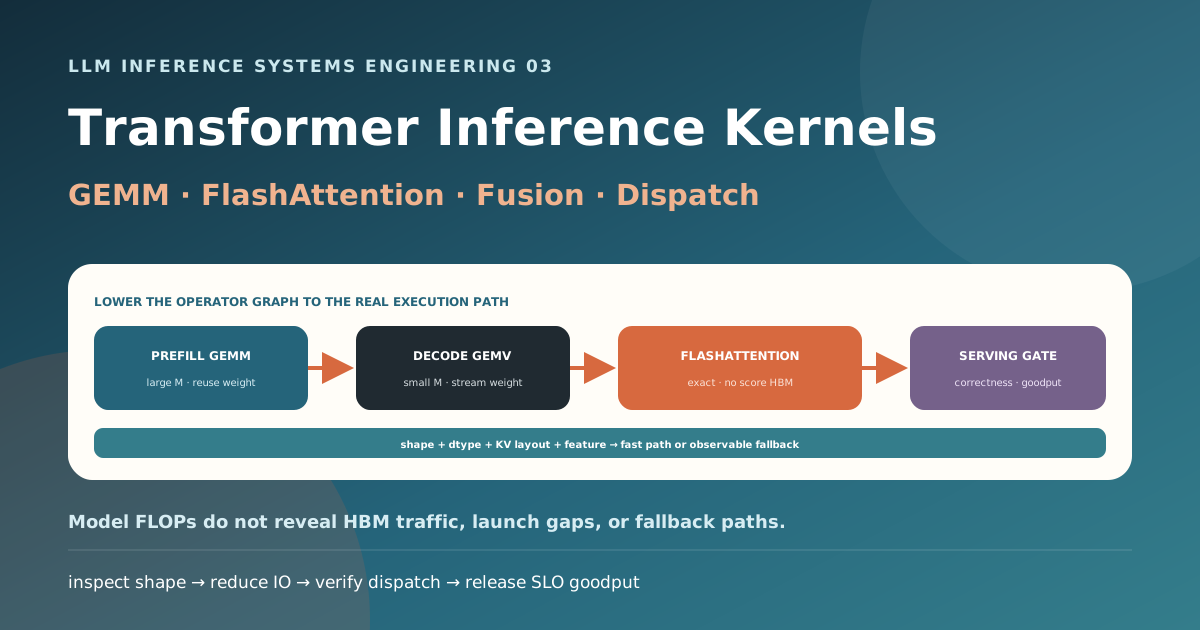
Transformer 추론을 GEMM, normalization, RoPE, attention, sampling 커널로 분해합니다. Prefill·decode shape와 HBM 이동, FlashAttention·fusion·fallback을 측정해 serving 성능을 검증합니다.
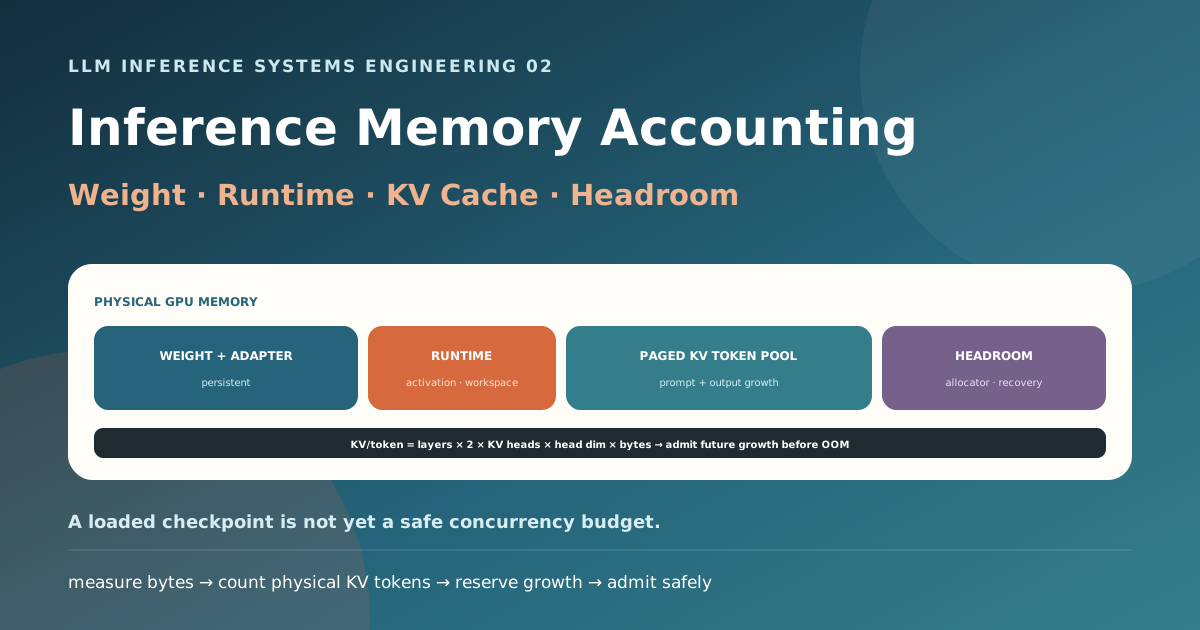
LLM 추론 GPU 메모리를 weight, runtime buffer, KV cache, allocator와 headroom으로 나눠 계산합니다. GQA·TP·prefix cache·동시성을 반영해 OOM 전 admission capacity를 설계합니다.
GPU Roofline 모델로 LLM prefill과 decode의 FLOP·HBM byte·arithmetic intensity를 계산합니다. compute·memory·launch·통신 병목을 구분하고 측정 기반 최적화 순서를 설계합니다.